


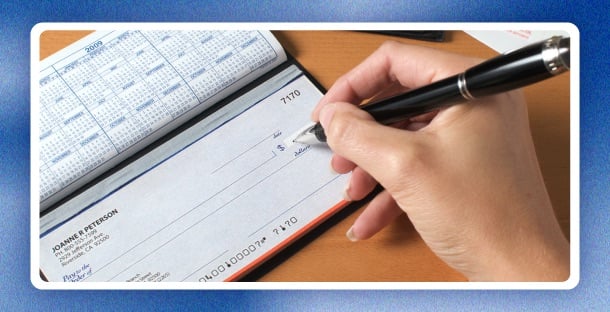
Even in a world of instant payments and digital wallets, paper checks haven't disappeared, and neither has check fraud. As other payment methods have become more secure, check fraud has surged, making it one of the fastest-growing forms of financial crime.
What is check fraud?
Check fraud involves any scheme that uses a check to illegally access someone else's money. It can be as simple as cashing a stolen check or as sophisticated as an organized operation involving stolen mail, counterfeit checks, and forged signatures.
Common types of check fraud
Check forgery
This involves signing someone else's name on a check without authorization, or altering the payee or amount on a legitimate check. Forgers often obtain checks through mail theft or by finding discarded checkbooks.
Check washing
Criminals steal a mailed check, then use chemicals to "wash" away the ink, removing the original payee name and dollar amount while leaving the signature intact. They then rewrite the check to themselves or an accomplice for a larger sum.
Counterfeit checks
Using modern printers and design software, fraudsters create fake checks from scratch, often mimicking real bank templates and routing numbers. These are frequently used in scams involving fake job offers, mystery shopper schemes, or overpayment for online sales.
Third-party check fraud
This occurs when someone endorses and cashes a check that was made out to another person, often through identity theft or by intercepting mail.
How check fraud typically happens
Most check fraud schemes start with access to your mailbox, your trash, your checkbook, or your personal information. Common entry points include:
- Mail theft: Stolen checks from mailboxes or blue USPS collection boxes are a leading source of fraud.
- Dumpster diving: Discarded bank statements or voided checks can reveal account and routing numbers.
- Data breaches: Leaked personal information can be used to create convincing counterfeit checks.
- Phishing and scams: Victims are sometimes tricked into providing checks or account details directly, such as in fake rental deposit or online marketplace scams.
How to protect yourself from check fraud
- Use direct deposit and online bill pay whenever possible to reduce reliance on paper checks.
- Mail checks from a post office rather than a home or street mailbox, and avoid letting outgoing mail sit overnight.
- Use gel pens when writing checks. The ink is harder to wash out than standard ballpoint ink.
- Shred old checks, bank statements, and voided checks before disposal.
- Monitor your accounts regularly and set up transaction alerts through your financial institution's app.
- Retrieve mail promptly, especially if you're expecting checks or new checkbooks.
What to do if you're a victim of check fraud
- Contact your financial institution immediately to report the fraudulent check and request a freeze on the affected account.
- File a police report, which is often required for banks and insurers to process fraud claims.
- Submit a complaint with the Federal Trade Commission (FTC).
- Notify the U.S. Postal Inspection Service if mail theft was involved.
- Place a fraud alert or credit freeze with the major credit bureaus if personal information may have been compromised.
- Keep detailed records of all communications, report numbers, and documentation related to incidences of fraud.
Check fraud may seem like an old-fashioned crime in the digital age, but it remains a significant and evolving threat. Awareness and a few simple habits, including secure mailing practices, regular account monitoring, and reduced reliance on paper checks, can dramatically lower your risk. If fraud does occur, acting quickly and decisively gives you the best chance of recovering your money and limiting further damage.





 NMLS #562301
Comments